Owning or managing property in East Anglia means juggling a surprisingly wide range of cleaning requirements. A busy family home in Ipswich has completely different needs from a holiday cottage on the Suffolk coast or a rental flat in Colchester approaching the end of a tenancy. Choosing the wrong type of cleaning service wastes money, creates stress, and often leaves the job half done. Understanding what each service actually covers, and when to use it, is one of the most practical decisions any homeowner or property manager can make.
Table of Contents
- How to choose the right home cleaning service
- Regular domestic cleaning
- Deep cleaning for a pristine home
- End-of-tenancy cleaning for move-ins and move-outs
- Holiday let and short-term rental changeover cleaning
- Comparing cleaning services: which is right for your property?
- Why matching cleaning types to occasions delivers better results
- Find your ideal cleaning service in East Anglia
- Frequently asked questions
Key Takeaways
| Point | Details |
|---|---|
| Choose service by need | Matching cleaning type to the situation ensures thoroughness and cost-effectiveness. |
| Holiday let cleaning is unique | Rapid turnarounds and health checks set it apart from standard or end-of-tenancy services. |
| Deep cleans are essential | Periodic, thorough cleans reach the areas routine jobs miss and are vital for resets or repairs. |
| End-of-tenancy protects deposits | Specialist cleaning meets strict landlord and letting agent standards, helping ensure smooth move-outs. |
How to choose the right home cleaning service
Not all cleaning tasks are equal, and treating them as though they are is where most property owners go wrong. Before booking any service, it helps to work through a few straightforward criteria that will point you in the right direction every time.
Key questions to ask before booking:
- How often does the property need cleaning? Daily, weekly, or only between guests?
- What type of property is it? A family home, a long-let rental, or a short-term holiday let?
- How quickly does the property need to turn around between occupants?
- What standard of cleanliness is required? Baseline hygiene, or guest-ready presentation?
- Are there specific areas that need specialist attention, such as carpets, ovens, or upholstery?
The answers to these questions will almost always point clearly to one of four main service types: regular domestic cleaning, deep cleaning, end-of-tenancy cleaning, or holiday let changeover cleaning. Each one is built around a different set of priorities, timescales, and techniques.
Regular maintenance cleaning is fundamentally different from a one-off deep clean. Routine visits keep a property tidy and hygienic, but they are not designed to tackle built-up grime, limescale, or the kind of thorough sanitisation that a property needs after years of occupation. Equally, end-of-tenancy cleaning is not simply a longer version of a regular clean. It follows specific standards that relate directly to deposit protection and inventory checks.
Pro Tip: If you manage multiple properties, create a simple spreadsheet listing each property, its current use, and which cleaning service type it requires. Reviewing this quarterly prevents the common mistake of booking the wrong service at a critical moment.
Matching the right service to the right occasion saves money in the long run. Booking a standard clean when you actually need an end-of-tenancy service, for example, can result in failed inventory checks and deposit disputes that cost far more than the price difference between the two services.
Regular domestic cleaning
With those criteria in mind, let’s start with the backbone of most cleaning plans: regular domestic cleaning. This is the service most people are familiar with, and it forms the foundation of a well-maintained home or rental property.
What a typical regular domestic clean covers:
- Vacuuming carpets, rugs, and hard floors
- Dusting surfaces, shelves, skirting boards, and light fittings
- Wiping down kitchen worktops, appliance exteriors, and sinks
- Cleaning and sanitising bathrooms, including toilets, basins, and showers
- Emptying bins and replacing liners
- Mopping hard floors
Regular cleaning is ideally suited to busy households where maintaining a consistent standard of hygiene is the priority. For landlords with long-term tenants, periodic visits from a professional cleaner can also help protect the condition of the property over time, reducing wear and the cost of remedial work at the end of a tenancy.
The frequency of visits matters. Weekly cleans work well for occupied family homes. Fortnightly visits suit smaller households or properties that are used part-time. Monthly cleans are better than nothing but often leave too long a gap for high-traffic areas to stay genuinely clean.
Pro Tip: For long-let landlords, including a professional cleaning clause in your tenancy agreement, even just a quarterly visit, can significantly reduce the scale of end-of-tenancy cleaning required later. It protects both parties and keeps the property in better condition throughout.
The real benefit of regular domestic cleaning is consistency. A reliable cleaner who knows your property, your preferences, and your standards is genuinely valuable. That predictability is something many property owners in East Anglia tell us they struggle to find, which is precisely why we built Sea Light Shine around reliability and punctuality from day one.
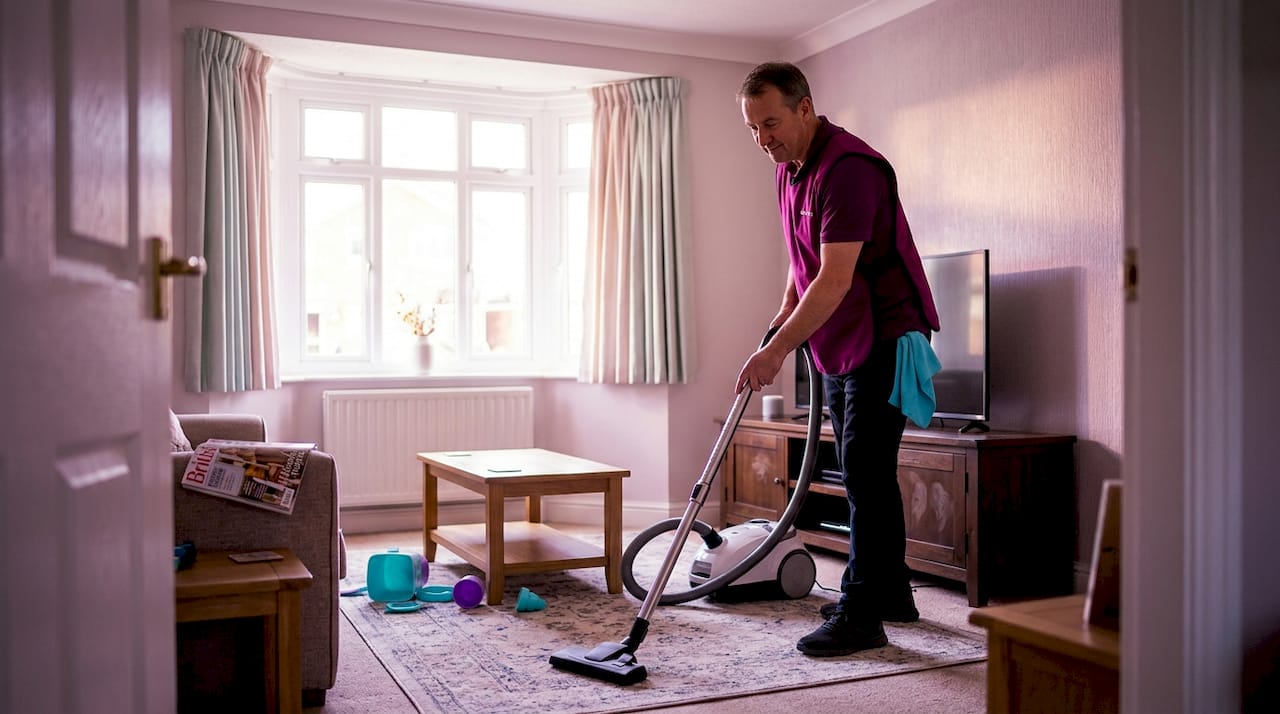
Deep cleaning for a pristine home
While regular cleaning maintains a baseline, deep cleaning addresses what weekly routines miss. Over time, even a well-maintained home accumulates grime in places that standard cleaning simply does not reach.
Deep cleaning is more intensive and periodic, targeting areas that are ignored in daily routines. This includes the insides of ovens and fridges, limescale behind taps and around shower heads, grease build-up inside extractor fans, and dust accumulation behind large appliances.
Areas typically covered in a deep clean:
- Inside ovens, microwaves, and dishwashers
- Behind and underneath appliances
- Limescale removal from taps, shower screens, and tiles
- Thorough grout cleaning in bathrooms and kitchens
- Cleaning inside cupboards and wardrobes
- Window sills, frames, and interior glass
- Skirting boards, door frames, and light switches
| Situation | Why deep cleaning is needed |
|---|---|
| After building or renovation works | Dust and debris settle in every corner |
| Annual spring clean | Addresses a full year of accumulated grime |
| Before a new tenancy begins | Ensures a genuinely fresh start for new tenants |
| Post-party or event | High-traffic use creates concentrated mess |
| After long-term vacancy | Dust, mould risk, and stale odours build up |
Our deep cleaning guide covers the full scope of what this service involves, including the specialist techniques and products that make a real difference to results.
Deep cleans often require significantly more time than a standard visit. A three-bedroom property that takes two hours for a regular clean might need six to eight hours for a thorough deep clean. That is not a reflection of poor maintenance. It simply reflects the difference in scope and the level of detail involved.
Pro Tip: Schedule a professional deep clean at least once a year, ideally in spring or before a change of occupant. Combining it with a regular cleaning schedule throughout the year means the annual deep clean takes less time and costs less, because the baseline is already well maintained.
End-of-tenancy cleaning for move-ins and move-outs
Sometimes, a simple clean won’t do, especially at the end of a tenancy. This is one of the most high-stakes cleaning situations a landlord or tenant faces, and getting it wrong has direct financial consequences.
Long-let end-of-tenancy cleaning is deep and thorough, with a single focus on returning a property to a near-new state. This is not a standard clean with a few extra touches. It is a structured, methodical process designed to satisfy inventory clerks, estate agents, and landlords who are checking against a detailed schedule of condition.
What end-of-tenancy cleaning typically includes:
- Full deep clean of all rooms, including inside all appliances
- Professional carpet cleaning or steam cleaning
- Thorough bathroom descaling and sanitisation
- Cleaning inside all kitchen cupboards and drawers
- Wiping down all walls, doors, and light switches
- Window cleaning, inside and out where accessible
- Removal of all limescale, grease, and staining
The difference between a standard clean and a professional end-of-tenancy service is significant. The table below illustrates the key distinctions:
| Feature | Standard clean | End-of-tenancy clean |
|---|---|---|
| Inside appliances | No | Yes |
| Carpet cleaning | No | Yes (usually) |
| Inside cupboards | No | Yes |
| Wall and door cleaning | Partial | Full |
| Inventory standard | No | Yes |
| Deposit protection focus | No | Yes |
Understanding the DIY vs specialist end-of-tenancy question is important for tenants who are tempted to handle this themselves. In most cases, the cost of a professional service is far lower than a partial deposit deduction. Many landlords and agents now require a professional clean as a condition of the tenancy agreement.
For landlords managing properties across East Anglia, reliable end-of-tenancy cleaning is essential for keeping void periods short. Our Basildon end-of-tenancy service, for example, is designed specifically to meet the standards that local agents and landlords expect, with a turnaround that keeps the property market-ready.
Holiday let and short-term rental changeover cleaning
The demands become even more unique for short-term and holiday lets. If you manage an Airbnb or holiday cottage in Suffolk, Norfolk, or Essex, you already know that the gap between a guest checking out and the next one arriving can be a matter of hours.
Holiday let cleaning must cover visual checks, linen service, disinfecting, appliance cleaning, and health and safety assessment within tight timeframes. This is operationally very different from any other type of cleaning service.
What a professional holiday let changeover includes:
- Full clean of all rooms to a guest-ready standard
- Fresh linen and towel changes, with used items removed or laundered
- Restocking of consumables such as toilet rolls, washing-up liquid, and welcome items
- Damage and breakage checks with photographic evidence
- Health and safety assessment, including fire safety equipment and carbon monoxide alarms
- Reporting of any maintenance issues to the host
“The standard expected by short-term rental guests is closer to a hotel than a home. Guests are paying for an experience, and the cleanliness of the property on arrival sets the tone for the entire stay and directly influences your review score.”
Our holiday let cleaning guide goes into detail about what hosts in East Anglia should look for when choosing a changeover cleaning provider, including how to assess reliability and what to include in your cleaning brief.
The operational complexity of holiday let cleaning is often underestimated. A cleaner who is excellent at regular domestic work may not have the systems, speed, or attention to presentation detail that a short-term rental demands. Choosing a provider with specific experience in holiday let changeovers makes a measurable difference to your reviews and your revenue.
Comparing cleaning services: which is right for your property?
Having explored each type, let’s see how they stack up side by side. Operational needs differ sharply between service types due to timing, thoroughness, and extras such as health and safety checks.
| Service type | Frequency | Depth | Extras included | Primary goal |
|---|---|---|---|---|
| Regular domestic | Weekly or fortnightly | Moderate | None | Ongoing hygiene |
| Deep cleaning | Annual or as needed | Very high | Specialist techniques | Full reset |
| End-of-tenancy | Once per tenancy | Very high | Carpets, appliances | Deposit return |
| Holiday let changeover | Per guest stay | High | Linen, restocking, checks | Guest experience |
For landlords weighing up costs, our cost guide for end-of-tenancy cleaning in Ipswich breaks down pricing clearly, so you can budget accurately and avoid surprises. The right service at the right time is always more cost-effective than booking the wrong one and dealing with the consequences.
Why matching cleaning types to occasions delivers better results
Here is something we see consistently at Sea Light Shine: most property owners default to whatever cleaning service they used last time, regardless of whether it actually fits the current situation. It is a habit, not a strategy.
A landlord who books a standard domestic clean at the end of a tenancy is not being careless. They are simply not aware of how different the requirements are. The result is a property that looks clean to the naked eye but fails an inventory check on the inside of the oven, the grout in the bathroom, or the condition of the carpets. That oversight can cost hundreds of pounds in deposit disputes or delayed re-letting.
The same logic applies to holiday let hosts who try to manage changeovers with a general cleaner who is not briefed on presentation standards, linen protocols, or damage reporting. A missed breakage or a poorly made bed might seem minor, but it shows up in a three-star review that costs you future bookings.
Our perspective, built from working with landlords, Airbnb hosts, and homeowners across East Anglia, is that the cost of using the right service is almost always lower than the cost of using the wrong one. This is not about spending more. It is about spending accurately.
We also believe that consistency matters more than most people realise. A property that receives the correct type of cleaning at the right intervals stays in better condition, commands higher rents, earns better reviews, and requires less remedial work over time. Our practical deep cleaning advice reflects this philosophy: invest in the right service at the right time, and the long-term results speak for themselves.
The uncomfortable truth is that cheap, generic cleaning is often the most expensive option when you account for the downstream costs. Deposit disputes, poor reviews, extended void periods, and accelerated property wear all carry a financial price that far exceeds the saving on a single cleaning visit.
Find your ideal cleaning service in East Anglia
Whether you need a reliable weekly clean, a thorough annual deep clean, or a fast and professional holiday let changeover, the right service is available locally across East Anglia.
At Sea Light Shine, we cover the full spectrum of property cleaning needs, from domestic cleaning services for busy households to specialist holiday let services for hosts who need reliable, guest-ready turnarounds. We also offer commercial and specialist cleaning for businesses, estate agents, and property managers who need consistent, professional results across multiple sites. Every service we provide is built around the same principles: punctuality, attention to detail, and a standard you can trust. Get in touch to discuss your property’s specific needs and find the right solution for your situation.
Frequently asked questions
What is included in a typical domestic cleaning service?
Typical domestic cleaning covers dusting, vacuuming, mopping, and cleaning kitchens and bathrooms on a regular scheduled basis. It maintains ongoing hygiene but does not include deep cleaning tasks such as inside appliances or carpet steam cleaning.
How is holiday let cleaning different from end-of-tenancy cleaning?
Holiday let cleaning is oriented around rapid, repeat turnovers, guest-ready presentation, and linen changes, while end-of-tenancy cleaning is deeper, less frequent, and focused on restoring a property to near-new condition for new tenants.
When is deep cleaning necessary for my home?
Deep cleaning targets areas ignored in daily routines and is recommended after renovations, before or after moving, or as an annual reset to address built-up grime that regular cleaning cannot tackle.
Do I need a specialist cleaner for end-of-tenancy?
Yes, in most cases. A specialist end-of-tenancy cleaner works to inventory standards, ensuring all requirements for deposit returns are thoroughly met and reducing the risk of disputes between landlords and tenants.
What should I consider when choosing a cleaning service for a short-term rental?
Prioritise providers with experience in rapid turnarounds and health and safety assessment within tight timeframes, along with detailed checklists, linen management, and guest-ready presentation standards.