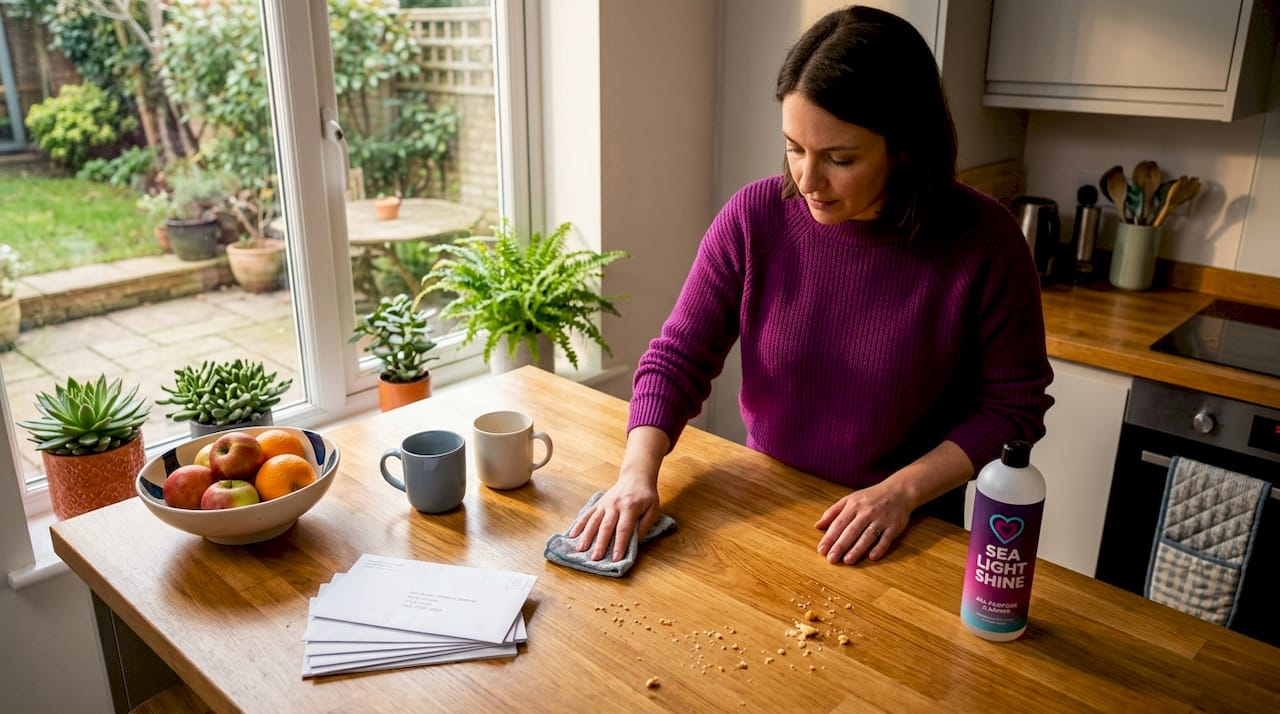
Keeping a clean home sounds simple until you actually sit down and try to work out how often each room, surface, and appliance needs attention. Most people either overclean certain areas while ignoring others entirely, or they wait until things look visibly dirty before acting. A proper domestic cleaning frequency guide removes the guesswork. It tells you what to clean, how often, and why, so your home stays genuinely hygienic rather than just looking tidy on the surface.
Table of Contents
- Key takeaways
- What is a domestic cleaning frequency guide and why you need one
- 1. Daily cleaning tasks: the non-negotiables
- 2. Weekly cleaning tasks by room
- 3. Monthly cleaning tasks: the overlooked areas
- 4. Seasonal cleaning tasks: twice a year
- 5. Annual and occasional deep cleaning tasks
- 6. Building your personalised cleaning schedule
- My honest take on building a cleaning routine that lasts
- How Sealightshine can support your cleaning schedule
- FAQ
Key takeaways
| Point | Details |
|---|---|
| High-touch surfaces need daily attention | Light switches, door handles, and worktops harbour germs and should be wiped down every day. |
| Weekly tasks protect health most directly | Bathrooms, kitchen sinks, and bed linens all need weekly cleaning to reduce infection risk significantly. |
| Monthly tasks prevent hidden build-up | Drains, baseboards, and appliances accumulate grime invisibly and need scheduled monthly attention. |
| Annual deep cleans protect your home | Gutters, vents, and carpets need at least yearly cleaning to maintain air quality and prevent damage. |
| Personalise your schedule to your household | Pets, children, and high-traffic areas all increase how often specific zones need cleaning. |
What is a domestic cleaning frequency guide and why you need one
A cleaning frequency guide is simply a structured plan that tells you which cleaning tasks to do daily, weekly, monthly, seasonally, and annually. Without one, most people fall into reactive cleaning, scrubbing when something looks bad rather than maintaining hygiene before problems develop.
The most useful distinction to grasp early is the difference between cleaning, sanitising, and disinfecting. Cleaning removes visible dirt and grime. Sanitising reduces bacteria to safe levels. Disinfecting kills pathogens outright. Critically, cleaning must precede disinfection because disinfectants are far less effective when applied over dirt and grease.
Your household composition matters enormously here. A couple without children, pets, or frequent visitors has very different needs from a family with toddlers and a dog. High-traffic areas, shared surfaces, and rooms used by vulnerable people such as elderly relatives or young children will always need more frequent attention than the spare bedroom.
One practical way to approach this is by thinking in terms of usage intensity. Surfaces touched by multiple people throughout the day need daily wiping. Rooms used less often can follow a weekly or fortnightly rhythm. The CDC recommends cleaning high-touch surfaces like light switches, door handles, and taps regularly and after visitors as a core strategy for infection prevention.
Pro Tip: Start by listing every room in your home, then note which ones get the most daily use. Those rooms should appear on your daily and weekly lists. Less-used spaces can move to a fortnightly or monthly cycle without compromising hygiene.
1. Daily cleaning tasks: the non-negotiables
Daily cleaning does not mean spending an hour scrubbing every surface. It means a focused 10 to 20 minutes on the areas most likely to spread bacteria or make your home feel chaotic.
Your daily routine should cover:
- Wiping down kitchen worktops after cooking and food preparation
- Washing up dishes or loading the dishwasher
- Wiping the hob after use
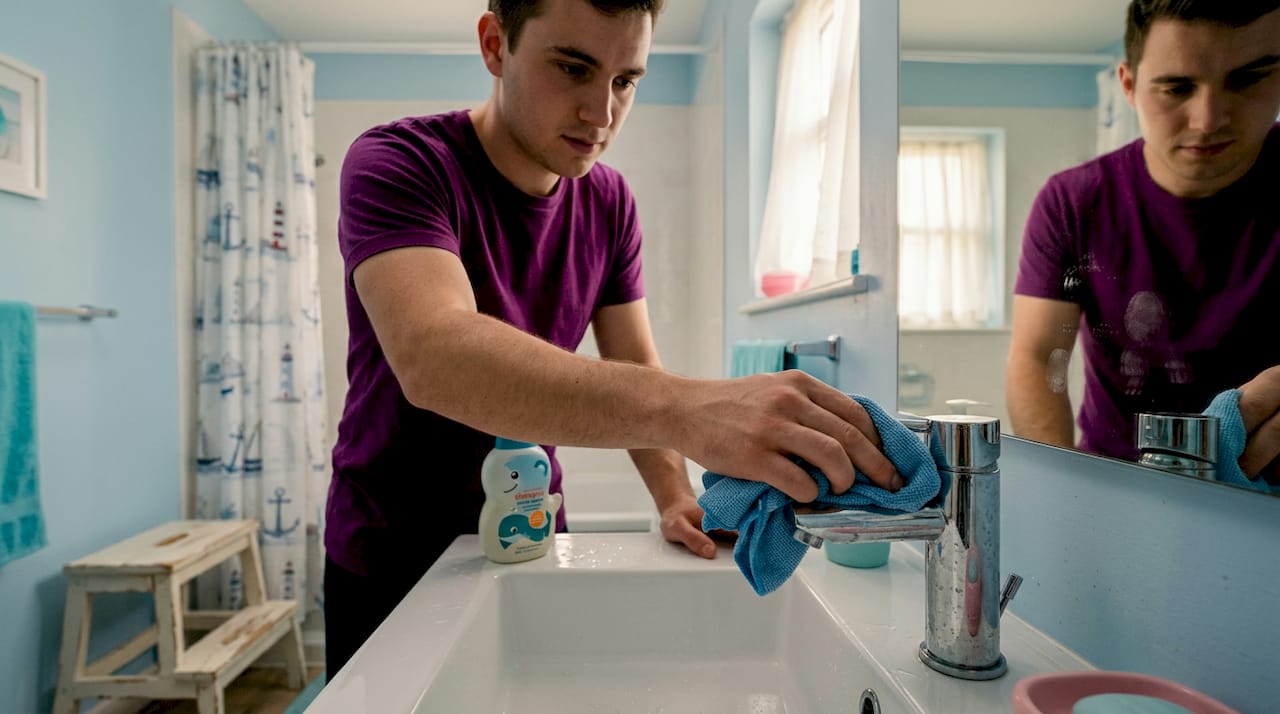
- A quick wipe of bathroom sinks and taps
- Tidying clutter from living areas and hallways
- Emptying kitchen bins if food waste is present
The kitchen and bathroom are the two rooms where daily attention pays the biggest dividends. A worktop left with food residue overnight invites bacteria and pests. A bathroom sink used by multiple people accumulates toothpaste, soap scum, and moisture that encourages mould surprisingly quickly.
The concept of a “touchpoint loop” makes daily cleaning far more manageable. Rather than cleaning a whole room, you move through the home wiping only the surfaces multiple people touch: handles, light switches, taps, and remote controls. This takes under ten minutes and reduces household infection risk considerably.
2. Weekly cleaning tasks by room
Most people structure house cleaning frequency around the weekly cycle, and for good reason. It is frequent enough to stay ahead of build-up without being exhausting. Breaking chores across different days rather than doing everything in one marathon session on a Saturday makes the routine far more sustainable.
Kitchen (weekly):
- Scrub the kitchen sink and polish taps
- Clean the microwave inside and out
- Wipe fridge shelves and check for expired food
- Wash the sink strainers thoroughly to prevent bacterial build-up
- Mop or wash the kitchen floor
Bathroom (weekly):
- Scrub the toilet bowl, seat, and base
- Clean the bath or shower including tiles and grout
- Wash the bathroom floor
- Weekly bathroom and sink cleaning significantly lowers the risk of spreading infections at home
Bedrooms and living areas (weekly):
- Change and wash bed linens. Fresh sheets once a week are a standard hygiene recommendation
- Vacuum carpets and rugs throughout the home
- Dust surfaces including shelves, skirting boards, and furniture tops
- Clean mirrors and glass surfaces
Pro Tip: Assign one room to each weekday rather than tackling everything on one day. Monday is bathrooms, Tuesday is bedrooms, Wednesday is the kitchen deep wipe-down. You will never spend more than 20 minutes on any single session, and the whole home stays consistently clean.
3. Monthly cleaning tasks: the overlooked areas
Monthly cleaning is where most people fall short, not because they are lazy, but because these tasks are genuinely out of sight. Monthly and seasonal tasks targeting less obvious areas reduce accumulated grime and protect appliances and air quality over the long term.
Here is what needs attention monthly:
- Drains and kitchen disposal units. Sanitise drains with a targeted solution to prevent odours and bacterial growth. Kitchen drains and disposals need monthly sanitising to avoid contamination build-up that weekly cleaning will not catch.
- Washing machine drum. Run an empty hot cycle with washing machine cleaner or white vinegar to remove mould and detergent residue.
- Fridge coils and seals. Wipe the rubber door seals and vacuum the coils at the back or underneath. Dirty coils force the motor to work harder and shorten the appliance’s life.
- Baseboards and skirting boards. Dust and wipe these down monthly. They collect a surprising amount of pet hair, dust, and allergens.
- Upholstered furniture. Vacuum sofa cushions and underneath them. If you have a fabric-cleaning attachment, use it.
- Light fittings and lampshades. Dust and dead insects collect here and are rarely noticed until a light is switched on in a dark room.
- Inside kitchen cupboards. Wipe shelves and check for crumbs or spills that could attract pests.
The benefit of calendar-based reminders for these tasks cannot be overstated. Set a recurring reminder on the first of each month. You will never again discover that the washing machine drum smells strange or that the fridge seals have gone black.
| Task | Frequency | Consequence of neglect |
|---|---|---|
| Drain sanitising | Monthly | Odours, bacterial growth, slow drainage |
| Washing machine drum | Monthly | Mould, musty laundry smell |
| Fridge coils | Monthly | Higher energy use, shorter appliance life |
| Baseboards | Monthly | Allergen and dust build-up |
| Light fittings | Monthly | Reduced light output, pest debris |
Pro Tip: Photograph your monthly task list and save it as your phone wallpaper for one week at the start of each month. The visual reminder alone dramatically improves follow-through.
4. Seasonal cleaning tasks: twice a year
Seasonal cleaning goes deeper than monthly tasks and typically involves areas that are either difficult to access or only become relevant at certain times of year.
Spring is the traditional deep-clean moment, but autumn matters just as much. Before winter arrives, you want heating vents and radiators clear of dust so that warm air circulates cleanly. In spring, you want windows clean, outdoor furniture washed down, and the garage or shed reorganised after months of winter clutter.
Core seasonal tasks include:
- Deep cleaning the oven. Grease build-up is a fire hazard as well as a hygiene issue
- Cleaning behind and underneath large appliances such as the fridge and cooker
- Washing curtains or steam cleaning blinds
- Cleaning extractor fans and bathroom ventilation units
- Washing exterior windows
- Clearing outdoor drains and patios of moss, leaves, and debris
For households with home cleaning checklists, seasonal tasks slot naturally into the overall plan rather than feeling like a separate project.
5. Annual and occasional deep cleaning tasks
Annual tasks are the ones that most homeowners either forget entirely or avoid because they feel like major projects. They do not take as long as most people expect, particularly if the home has been maintained well throughout the year.
Annual cleaning tasks worth scheduling:
- Carpet steam cleaning. Carpets hold allergens, dust mites, and bacteria well below the surface that regular vacuuming cannot reach.
- Gutter clearing. Blocked gutters cause water damage to fascias, walls, and foundations. This is a maintenance task as much as a cleaning one.
- Exhaust fan and vent cleaning. Bathroom and kitchen exhaust fans accumulate grease and dust that restrict airflow and become a fire risk.
- Mattress cleaning. Vacuuming and spot-treating a mattress annually, or professionally steam cleaning it, significantly reduces dust mites.
- Upholstery deep clean. Sofas and chairs benefit from a professional or deep DIY clean once a year, especially in households with pets.
The case for hiring professionals for annual tasks is strong. A professional carpet clean takes a couple of hours and achieves results a domestic machine cannot match. For homeowners who want kitchen deep cleans done properly, a one-off professional visit tackles the oven, hood filters, and hard-to-reach zones far more thoroughly than a DIY effort.
6. Building your personalised cleaning schedule
Pulling all of this together into a schedule that actually works for your household comes down to a few simple principles.
| Frequency | Examples | Typical time per session |
|---|---|---|
| Daily | Worktops, sinks, tidying, dishwashing | 10 to 20 minutes |
| Weekly | Toilets, floors, bed linens, vacuuming | 20 to 30 minutes per room |
| Monthly | Drains, appliances, baseboards, upholstery | 1 to 2 hours total |
| Seasonal | Oven, vents, windows, outdoor areas | Half a day |
| Annual | Carpets, gutters, mattresses, exhaust fans | One full day or professional visit |
The biggest mistake people make is setting an unrealistically thorough schedule and abandoning it within a fortnight. A modest, consistent routine beats an ambitious one you never stick to. Tailored cleaning intervals based on actual surface use prevent both overcleaning and neglect.
A few practical tips for keeping to your schedule:
- Use a simple app or a printed wall calendar to track recurring tasks
- If you miss a session, pick up where you left off rather than trying to catch up all at once
- Adjust the schedule seasonally. Muddy boots in winter mean hallway floors need more attention than in summer
- Accept that some weeks the weekly clean becomes a fortnightly clean. Life happens
My honest take on building a cleaning routine that lasts
I have spoken with hundreds of homeowners over the years about their cleaning habits, and the most common pattern I see is this: people either do too much at once and burn out, or they do nothing until the home feels out of control. Both extremes come from the same root problem. They have never sat down and decided what actually needs cleaning and when.
What I have found genuinely works is anchoring your routine to just three daily habits: wipe the kitchen worktops after cooking, do a quick touchpoint loop of high-contact surfaces, and make the bed. Those three things take under fifteen minutes and prevent the psychological weight of a home that always feels messy.
The weekly and monthly tasks matter enormously for hygiene, but they are much easier to face when the daily baseline is maintained. I have also learned that the “out of sight, out of mind” areas, the drains, the fridge coils, the extractor fans, are the ones that cause the most expensive and unpleasant problems when ignored.
My advice is to be honest about your household. If you have two teenagers and a Labrador, your kitchen floor needs mopping more than twice a week regardless of what any guide says. Adapt the schedule to the reality of your home, not the idealised version of it.
— Kate
How Sealightshine can support your cleaning schedule

Even the most diligent homeowner hits a point where certain tasks need a professional touch. Whether it is an annual deep clean before a tenancy ends, a one-off oven and appliance clean, or regular domestic help to take the pressure off a busy household, Sealightshine is ready to help. Based in East Anglia and trusted by homeowners, landlords, and Airbnb hosts across the region, the team delivers thorough, reliable cleaning with real attention to detail. If you are in Ipswich or the surrounding area, explore Sealightshine’s professional deep cleaning service to see exactly what a professional clean covers. For ongoing domestic support, home cleaning services in East Anglia are built around your schedule and your home’s specific needs.
FAQ
How often should you clean high-touch surfaces at home?
High-touch surfaces such as door handles, light switches, and taps should be wiped down daily and always after visitors to reduce germ spread.
What is the difference between cleaning and disinfecting?
Cleaning removes visible dirt, while disinfecting kills pathogens. You must always clean a surface before disinfecting it, as disinfectants work poorly on surfaces that still have grime present.
How often should you change bed sheets?
Bed linens should be washed once a week. Weekly washing removes sweat, skin cells, and dust mites that accumulate quickly and can trigger allergies or skin irritation.
Do kitchens need more frequent cleaning than other rooms?
Yes. Kitchens combine food preparation, moisture, and heat, making them the highest-risk area for bacterial growth. Daily worktop wiping, weekly sink and floor cleaning, and monthly drain sanitising are all necessary.
How do you stick to a cleaning schedule long term?
Use calendar reminders for monthly and seasonal tasks and break weekly chores across several days rather than one session. Spreading tasks across days is more sustainable and far more likely to become a lasting habit.